

How to Build a Digital Marketing Plan That Works in 2026
Building a digital marketing plan starts with one simple decision: stop running channels separately and connect them into a single system. When your SEO, paid ads, content, and analytics all feed into each other, your marketing efforts will stop wasting budget and start producing results.
The problem is, most businesses skip this step and jump straight into running campaigns. When nothing ties those efforts together, your digital marketing strategy loses direction fast, and your budget feels it first.
Well, don't worry anymore. This guide walks you through every piece of a solid digital marketing plan, covering goal-setting, channel strategy, conversion tracking, and the marketing KPIs that tell you what's working.
Let's get into it.
What a Digital Marketing Plan Truly Covers
Frankly, most businesses we talk to don't have a plan at all. What they have instead is a list of things they're doing and a hope that it adds up. A digital marketing plan changes that by telling every part of your marketing efforts where to go, what to do, and how to measure progress.
In fact, HubSpot's marketing plan examples show that the most effective plans have one thing in common: every channel serves a purpose tied to real business objectives.
That foundation starts with a few core pieces, including:
- Channels and Priorities: Not every digital marketing channel deserves equal attention or budget. Your plan should define which channels fit your strategy and why, so your team isn't spreading effort across platforms that don't serve your goals.
- Goals and Targets: Attach specific numbers to everything, like leads generated, conversion rates, or revenue. Without them, your team has no clear picture of what success looks like or when you've hit it.
- Budget and Allocation: Where does every dollar go? Your marketing plan needs to answer that question clearly, so your digital marketing activities stay focused, and nothing gets spent without a reason behind it.
- Measurement Framework: Deciding which marketing KPIs to track before campaigns go live saves a lot of guesswork later. This is why we suggest you set your benchmarks early and watch as your reporting becomes a whole lot cleaner.
Get these four pieces right, and everything else in your digital marketing strategy has something solid to build on. That starts with making sure your marketing goals are set correctly from the beginning.
Define Your Marketing Goals First
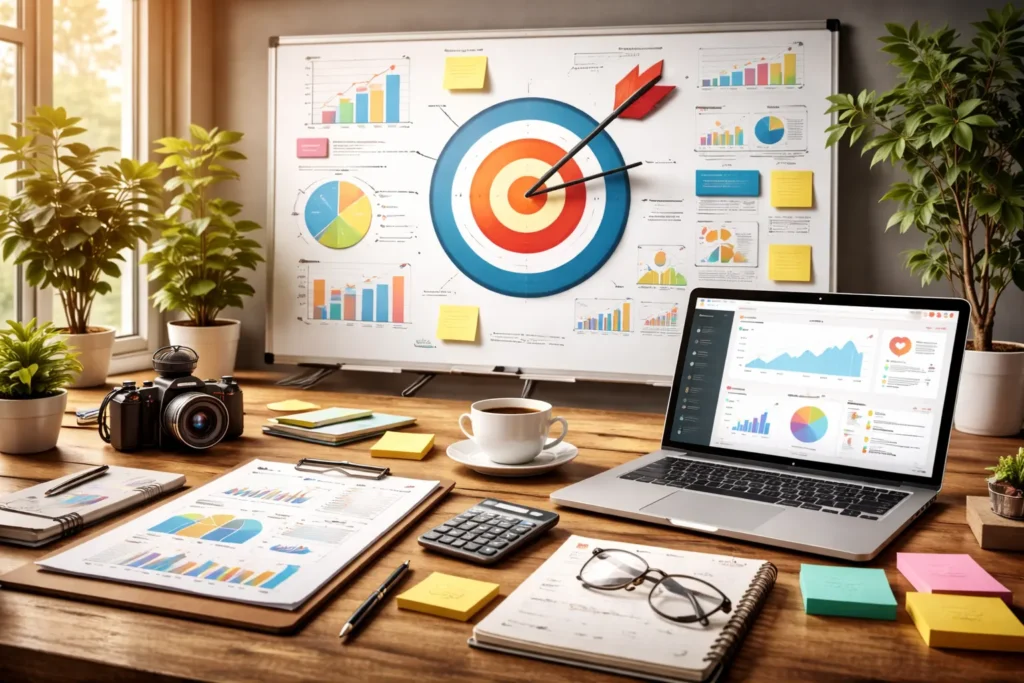
The best part about setting goals early is that every marketing decision after that becomes easier. When you know what you're working toward, your marketing strategy has a clear direction, and your team stops second-guessing every move.
Now, those goals need to connect directly to real business objectives. Think specific numbers: qualified leads per month, a target revenue figure, or a set customer acquisition cost (and yes, "get more customers" is not a goal, it's a wish). When marketing objectives stay vague, there's no real way to measure if anything is working.
Besides, without specific objectives, you can't know which key performance indicators (KPI) to track. And if your marketing KPIs aren't defined from the start, your activities will keep running without any honest feedback on whether they're delivering results or just draining budget.
With that clarity in place, the next step is making sure your channels are set up to actually hit those numbers.
How SEO and PPC Strategy Work Together
Most businesses treat search engine optimization and paid search as two separate efforts, and that disconnect quietly drains budget on both sides. Believe it or not, the data from your paid campaigns is one of the most underused SEO tools out there.
Let's break down what each one brings to the table.
What Paid Ads Do
Getting into search results organically takes months, so paid ads fill that gap by putting your business in front of the right target audience the same day your campaign goes live. This is where they give your digital marketing strategy an edge:
- Speed to Market: Google Ads gets your business into search results immediately, without waiting for organic rankings to build up over time.
- Audience Testing: Pay-Per-Click ads let you test different messages and offers quickly across your target audience, so you know what works before committing budget to organic content.
- Retargeting Power: Paid search brings back website visitors who didn't convert the first time. According to Search Engine Journal, tracking the right PPC KPIs from day one is what helps campaigns grow.
Used well, paid ads give your digital marketing strategy an immediate presence in search engines while your organic efforts build steadily in the background.
How SEO Strengthens Your Paid Campaigns
As your SEO efforts gain traction, the benefits start showing up in your paid campaigns too. Here's how:
- Lower Acquisition Costs: When organic search results start driving consistent traffic, your reliance on paid budgets drops.
- Quality Score Improvements: Search engines reward landing pages that match search intent closely. What’s more, solid SEO work raises those scores, which brings your cost per click down on paid campaigns.
- Content That Feeds Both Channels: Your best-performing organic search topics already tell you what your audience responds to. Use that data directly in your paid ad messaging and skip the guesswork.
When SEO and paid search share the same data and direction, your overall digital marketing strategy gets more efficient. That efficiency carries directly into how content marketing pulls in potential customers before they ever see an ad.
Using Content Marketing to Pull in Potential Customers
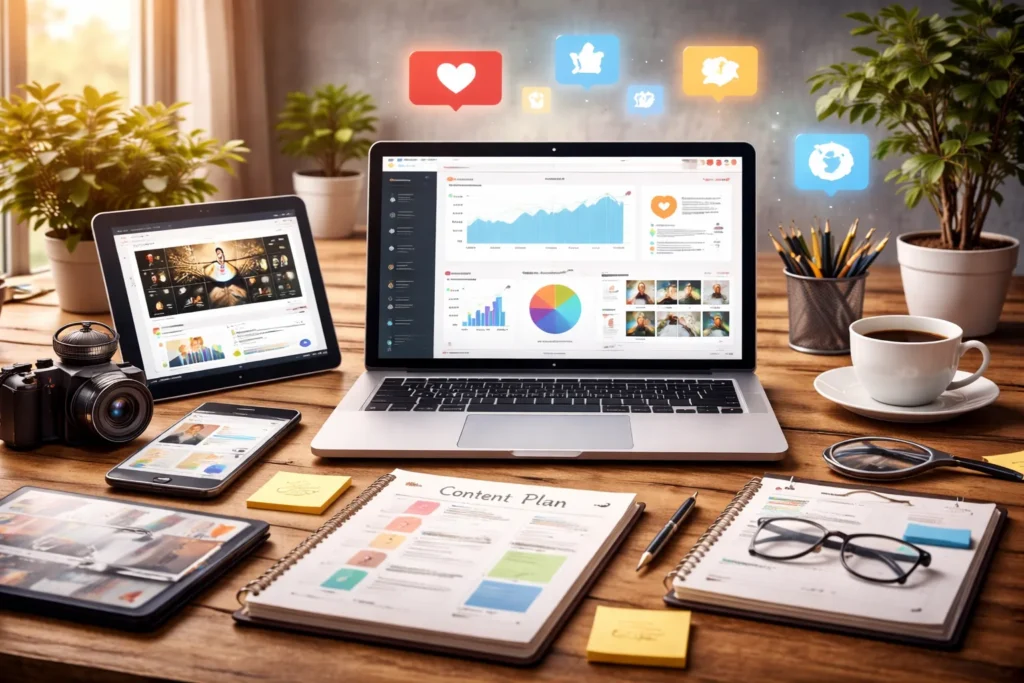
Most potential customers won't buy the first time they find you. They need multiple touchpoints with your brand first, and content marketing is how you create them consistently without increasing your ad spend.
The most effective content answers questions your target audience is searching for. Blogs, guides, and videos pull in steady organic traffic and move people through the buyer's journey naturally. Done consistently, this kind of content builds familiarity with your brand long before someone is ready to buy.
Beyond attracting new visitors, good content also strengthens your paid search campaigns. A well-optimized blog post improves your landing page quality scores, lowers your customer acquisition cost, and feeds your remarketing audiences, all without any extra ad spend.
With the right content pulling people in, the next step is making sure your landing pages are set up to convert that traffic into qualified leads.
Landing Pages That Turn Clicks Into Leads
A well-built landing page can double your qualified leads without touching your ad spend. Driving traffic is only half the job, and most businesses forget that the click means nothing if the page doesn't convert. But what does a strong landing page mean? Well, it's the moment your digital marketing either pays off or doesn't.
Here's what separates a strong landing page from a weak one:
|
Element | Strong Landing Page |
Weak Landing Page |
| Headline | Matches the ad exactly | Generic or vague |
| Call to Action | One clear button | Multiple competing links |
| Load Speed | Under 3 seconds | Slow, loses visitors |
| Form Length | Short, 2-3 fields | Long, overwhelming |
Getting these details right directly improves your conversion rates and the quality of leads your paid search campaigns bring in.
Once your pages are converting well, the next step is figuring out where those leads are coming from.
Conversion Tracking and Assisted Conversions Explained
Conversion tracking tells you which channels, ads, and pages are driving real results. Without it, you're making digital marketing decisions based on gut feeling, and that gets expensive fast.
Set it up correctly, and your tracking will show you all of this:
Channel Attribution
Set up a separate conversion goal in Google Analytics for each marketing channel, paid search, organic traffic, and social platforms. That way, you know which channel is bringing in leads and what each one is costing you.
Assisted Conversions
A customer might find you through a blog post, then return later through a Google Ads campaign before converting. Assisted conversions track that full customer journey, so you know which marketing activities started the relationship and which ones closed it.
Analytics Integration
Once those touchpoints are mapped out, the next move is connecting everything.
Linking Google Ads, Google Analytics, and your CRM gives your team a single view of campaign performance. And HubSpot's digital marketing analytics guide outlines how to connect these tools so your conversion data is accurate and actionable.
The businesses that grow consistently are the ones that know what's working and why. Getting your tracking right is what makes that possible, and it's what we’re covering in the next section..
The Marketing KPIs You Should Be Tracking

Most businesses track the wrong numbers and don't realize their marketing plan is underperforming until it's too late. Yes, impressions and follower counts look good on paper, but they don't pay the bills.
So let’s look at where your metrics focus should be:
- Customer Acquisition Cost: This tells you exactly how much you're spending to win each new customer across your marketing channels. Tracking it weekly helps you spot inefficiencies before they drain your budget.
- Conversion Rates: A low conversion rate tells you something in your funnel is off. It could be your landing pages, your targeting, or your offer. SEMrush's SEO KPIs guide is a solid reference for which conversion metrics to prioritize first.
- Return on Investment: Every marketing activity needs to justify its cost. If a channel consistently costs more than it brings back, your marketing plan needs to reflect that.
But wait, there's more. The marketing KPIs you ignore are often the ones quietly revealing where your strategy is losing ground.
Regular reviews using KPI dashboards keep your key performance indicators honest and your marketing strategy moving in the right direction. Once your tracking is dialed in, putting the full plan into action becomes a lot cleaner.
Once the Plan is Set, Here's What Happens Next
A strong digital marketing plan stops the guesswork that drains budgets and slows growth. Every business running digital marketing in 2026 needs a clear system, and building one is more achievable than most people think.
This guide walks through setting real marketing goals, combining SEO and PPC strategy, and using content marketing to attract the right audience. It also covered optimizing landing pages for better conversion rates and tracking the marketing KPIs that reveal what's genuinely working.
The team at Oikos Project will take you through every detail of building a digital marketing strategy that fits your business and delivers results worth measuring. Your best marketing results are still ahead of you.
Comments are closed.