
Social Media Ads vs Google Ads: Which Fits Your Business Goals?
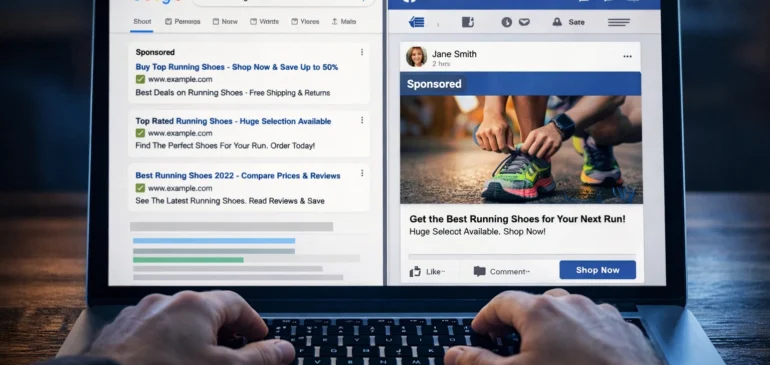
Choosing between Google Ads and social media ads depends on your goals: immediate conversions or audience-building. Google Ads captures people actively searching for solutions, while social media reaches people before they even know they need you.
For example, a home security company might see quick sales from Google Ads because searchers are already looking for protection. Meanwhile, a new fitness app or seasonal product can gain traction on social media by introducing the brand to people who haven't considered it yet.
This guide breaks down the real cost differences, who each platform reaches best, and when combining both saves you money.
But first, let's explore what separates these two advertising approaches.
Google Ads vs Facebook Ads: The Core Difference
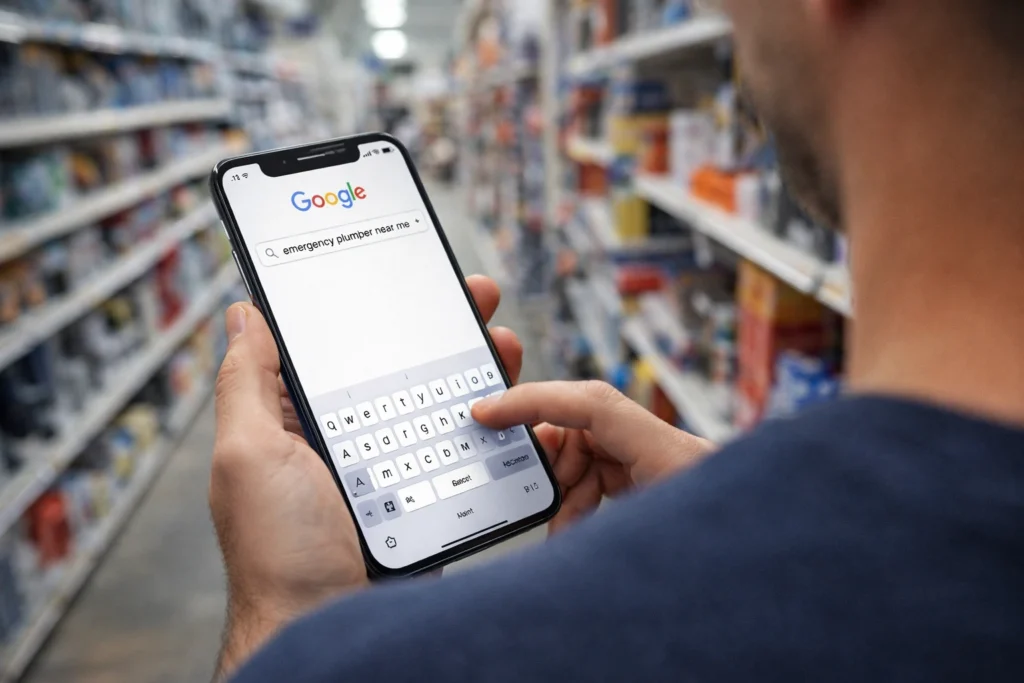
The main difference between Google Ads and Facebook Ads is when they reach people in the buying process. Google Ads targets people actively searching for solutions, meaning they’re close to making a purchase. This high intent drives faster conversions but only reaches those who already know they need your product.
Facebook, on the other hand, targets interests and behaviors to reach people earlier in the journey. It builds awareness and nurtures interest before they’re actively searching, which can take longer to convert but reaches a much wider audience.
When you understand this timing difference, you can set realistic expectations between the two platforms.
Ad Spend and Budget Allocation Across Platforms
Google Ads and social media advertising follow very different pricing patterns, which affects how far your budget actually goes. Let's break down what advertisers typically spend on each.
What Google Ads Cost Really Looks Like
Google Ads costs more per click because you're bidding on high-intent keywords that competitors also want badly. For example, competitive industries like insurance and legal services can see clicks hit $50 each, according to WordStream. Those expensive clicks often convert faster than cheaper social traffic, making the higher upfront spend worthwhile for businesses focused on immediate sales.
Social Media Ad Spend Patterns
Social media ad costs are generally lower than Google Ads and vary by platform:
- Facebook and Instagram: $0.50–$1.50 per click for most industries
- LinkedIn: $2.00–$7.00 per click for B2B targeting
- Pinterest: $0.10–$1.50 per click, often lower for visual products
The lower price point lets you run more campaigns without burning through your marketing budget too quickly. The trade-off is slower conversions, since people aren't actively shopping when they see your ad. For this reason, social ads work well for testing messaging and creative before putting more budget into Google Ads once you know what actually drives conversions.
Audience Targeting: Keywords vs Interests
Google Ads matches your ads to specific keywords people type, like "emergency plumber" or "running shoes for flat feet," reaching users actively searching for solutions. Social media platforms do the opposite. They skip the search bar and use demographics, interests, job titles, and online behaviors to find people who fit your ideal customer profile before they even start looking.
In short, Google captures buyers mid-search, while social expands your reach to people who haven't yet thought about your product.
That's why many advertisers test messaging on social first, then use what they learn to target the right keywords on Google.
Ad Formats and Creative Requirements
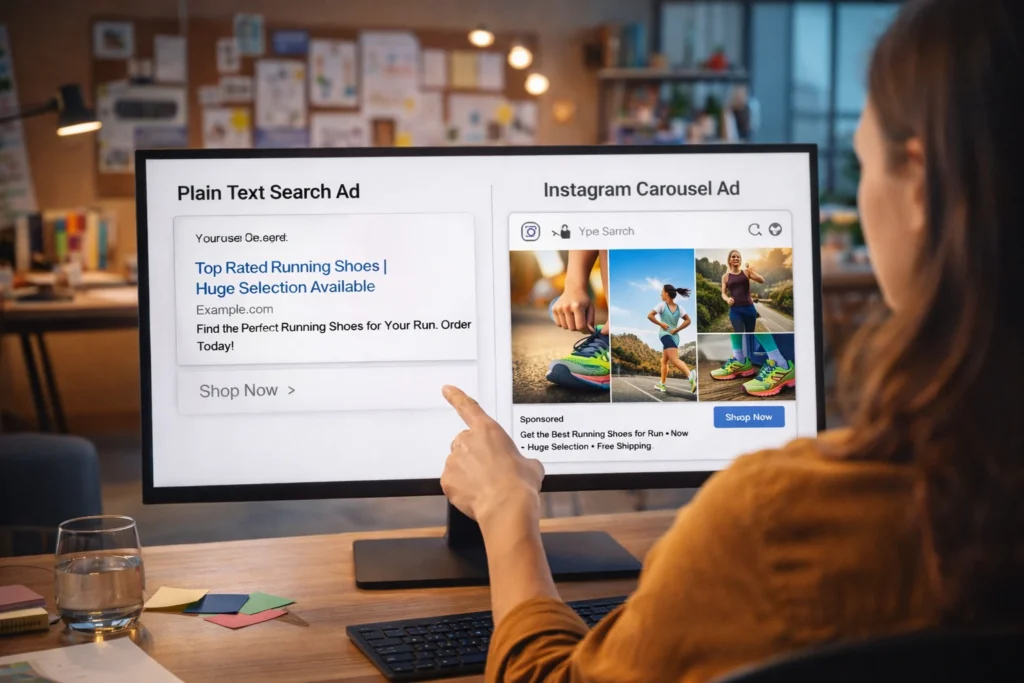
Each platform supports different ad formats, and what works visually on one can completely miss on the other. Here's how the two platforms compare:
| Platform | Ad Formats | Creative Focus | Best Use |
| Google Ads | Text-based search ads, responsive display ads, shopping ads, and video ads on YouTube | Clear headlines and strong CTAs because users are task-focused | Direct offers and urgency |
| Facebook/Instagram | Image ads, video ads, carousel ads, stories, reels, collection ads | Eye-catching visuals and scroll-stopping creative because people are browsing | Brand personality and engagement |
Since these platforms require different creative approaches, you can't simply reuse the same ads across both.
On Google, task-focused searchers respond to clear headlines and strong CTAs, while casual scrollers on social media engage with eye-catching visuals and scroll-stopping messaging. That's why successful campaigns adapt both visuals and copy to match the behavior of each audience.
Which Platform Fits Your Business Goals?
Your business goals determine which platform delivers better results, not just which one costs less per click. Here's how to match your objectives to the right platform.
- Brand Awareness: Social media ads put you in front of large audiences who fit your demographic, building familiarity even when people don't click. Google can support awareness too, but social's targeting depth and visual formats make it the stronger choice for recognition at scale.
- Lead Generation: Google Ads excels at capturing high-intent leads because it reaches people actively searching for solutions. These leads convert more easily but usually come in smaller numbers. By contrast, social media ads generate more leads through forms and gated content, though they require more nurturing since the audience isn't actively searching yet.
- Immediate Sales: Searchers have buying intent, which means they're ready to purchase now. Google Ads that capture these searches often deliver the fastest conversions. Social ads can also drive sales, but results usually take longer since people need multiple exposures before converting.
- Long-Term Growth: Social media excels at building audiences that fuel future sales by keeping your brand top-of-mind, while Google Ads drives immediate revenue. To get the best of both worlds, use multi-platform marketing: social warms prospects over time, and Google converts them when they’re ready to buy.
Most businesses need a mix of short-term conversions and long-term audience building, which is why the best strategies layer these platforms instead of picking just one.
When to Use Both Platforms Together
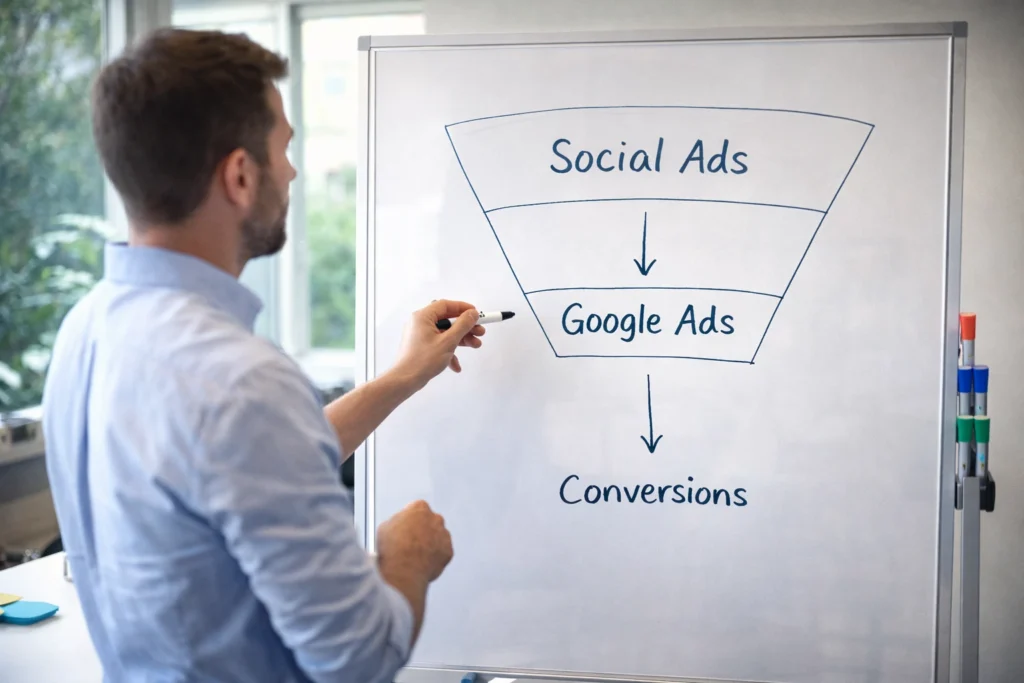
The timing depends on your budget and where your customers are in their buying journey. If you can afford to run both, start coordinating them once you're spending at least $1,000–$1,500 monthly across paid media. Below that, pick one platform and master it first.
You're ready to add the second platform when your first one is consistently generating leads or sales at a profitable cost. And for most businesses, that means running social media ads first to figure out which messaging and audiences convert.
Once you’ve validated what works, add Google Ads to capture people actively searching for those solutions. The opposite works too: start with Google Ads to prove demand exists, then use social to build awareness with a broader audience.
When both platforms start working together, people who've seen your brand on social are more likely to click your Google Ads when they search. That familiarity improves click-through rates and Quality Score, lowering your cost per click and improving your return on ad spend.
Choose the Right Ad Platform for Your Goals
Start with the ad platform that matches your immediate goal: Google Ads for fast sales, or social media for audience building and testing. Don’t overthink it. Pick one, run campaigns for 30 to 60 days, and see what the data tells you.
Once you've proven one works, add the second. That's how long-term winners operate. They use both platforms together instead of picking just one, which helps them get more value from every customer.
Need help building a cross-platform ad strategy that makes sense for your business? Oikos Project specializes in managing Google Ads and social media campaigns that work together, not against each other. Reach out and let's figure out where your marketing efforts should go.
Comments are closed.